
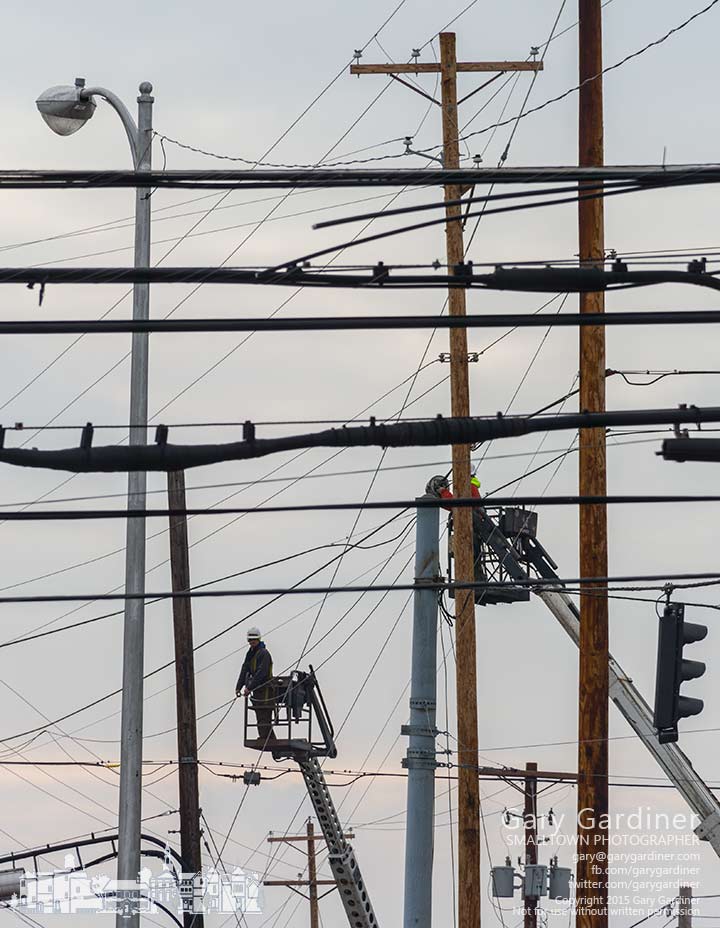
Extreme weather can turn even the most reliable electrical system into a potential hazard. When ice weighs down overhead lines or hurricane-force winds whip through your neighborhood, the integrity of your overhead service wiring becomes paramount. Understanding the risks and knowing how to prepare can make all the difference in keeping your home safe and powered.
Overhead service wiring is the lifeline that brings electricity from the utility pole to your home. It's designed to withstand normal environmental conditions, but extreme weather events push these systems to their limits. Damage to this wiring can lead to power outages, electrical fires, and even electrocution. Knowing how to protect your overhead service wiring and recognize potential problems is essential for every homeowner.
Before a major storm hits, take a walk around your property and visually inspect your overhead service wires. Look for signs of sagging, fraying, or damage to the insulation. Addressing these issues proactively can prevent a major headache (and potential danger) later on.
Understanding the Specific Challenges of Extreme Weather
Different types of extreme weather present unique threats to overhead service wiring. Let's break down some of the most common scenarios and how they impact your electrical system.
Ice and Snow: The Weight of Winter
Ice storms are particularly brutal on overhead wiring. As ice accumulates on the wires, it adds significant weight, causing them to sag and potentially break. This weight can also stress the connection points at your home and the utility pole. Heavy snowfall can compound the problem, further increasing the load. Even if the wires don't break outright, excessive sagging can bring them closer to trees or other objects, increasing the risk of contact and short circuits. Remember, even a small amount of ice can add considerable weight to the wires over their entire span.
To mitigate the risk of ice and snow damage, ensure that trees near your overhead service wiring are properly trimmed. Overhanging branches laden with ice or snow can easily fall onto the wires, causing damage or outages. It's also a good idea to have a qualified electrician inspect your connections periodically, especially if you live in an area prone to ice storms. They can identify any weak points and reinforce them before a problem arises.
High Winds: A Forceful Threat
Hurricanes, tornadoes, and even strong thunderstorms can generate winds powerful enough to snap overhead wires or tear them from their connection points. Wind can also cause wires to sway violently, leading to them making contact with each other or with trees. This can create dangerous electrical arcs and potentially start fires. The force of the wind can also dislodge improperly secured service masts, the point where the overhead wires connect to your home, causing significant damage to your electrical system and the structure of your house.
Preparing for high winds involves similar strategies as preparing for ice storms. Tree trimming is crucial, as is ensuring that your service mast is securely attached to your home. If you live in a hurricane-prone area, consider consulting with an electrician about reinforcing your service mast with additional bracing. This can significantly improve its ability to withstand high winds. Additionally, be aware of any loose objects on your property that could be blown into the wires during a storm, such as patio furniture or trampolines, and secure them appropriately.
Extreme Heat: Degradation Over Time
While not as immediately dramatic as ice or wind, extreme heat can also negatively impact overhead service wiring. Prolonged exposure to high temperatures can cause the insulation on the wires to degrade over time, making them more susceptible to shorts and other problems. Heat can also cause the wires to expand, leading to sagging and increased stress on the connection points. In desert climates, the combination of intense heat and UV radiation can accelerate the deterioration of the wiring.
To protect your overhead service wiring from the effects of extreme heat, consider having it inspected regularly by a qualified electrician. They can identify any signs of degradation and recommend appropriate repairs or replacements. Also, ensure that the wires are properly shielded from direct sunlight whenever possible. This can be achieved by strategically planting trees or installing awnings. While you can't completely eliminate the effects of heat, you can take steps to minimize its impact and extend the lifespan of your wiring.
Protecting Your Overhead Service Wiring: Proactive Measures
The best way to deal with extreme weather is to prepare for it in advance. Here's a rundown of proactive measures you can take to safeguard your overhead service wiring.
Regular Inspections and Maintenance
Schedule regular inspections of your overhead service wiring by a qualified electrician. They can identify potential problems before they become major hazards. These inspections should include a visual assessment of the wires, connections, and service mast, as well as testing to ensure that the system is functioning properly. Regular maintenance, such as tightening connections and replacing damaged components, can also help to prevent problems down the road. Don't wait for a storm to hit before addressing any issues you find.
Professional Tree Trimming
Keep trees trimmed away from your overhead service wiring. Overhanging branches can fall onto the wires during storms, causing damage and power outages. Hire a professional tree trimming service that is experienced in working around electrical lines. They have the proper equipment and training to safely remove branches without damaging the wires or endangering themselves. Never attempt to trim trees near electrical lines yourself, as this can be extremely dangerous.
Secure Your Service Mast
Ensure that your service mast is securely attached to your home. The service mast is the pipe that extends from your home and connects to the overhead service wires. If it's not properly secured, it can be pulled away from the house during a storm, causing significant damage. Have a qualified electrician inspect your service mast and reinforce it if necessary. This may involve adding additional bracing or replacing damaged components.
Consider Underground Wiring
If you live in an area that is prone to extreme weather, you might consider burying your service wires underground. Underground wiring is much less susceptible to damage from ice, wind, and trees. While the initial cost of burying your wires can be significant, it can be a worthwhile investment in the long run, especially if you frequently experience power outages due to damaged overhead wires. However, you must consult with your local utility company and a qualified electrician to determine if underground wiring is feasible for your property. There may be regulations and limitations that need to be considered.
Recognizing Warning Signs and Taking Action
Even with the best preparation, problems can still arise during extreme weather. Knowing what to look for and how to respond can help you stay safe and minimize damage.
Sagging or Downed Wires
Sagging or downed wires are a serious hazard. If you see a wire that is sagging significantly or has fallen to the ground, stay away from it and call your utility company immediately. Do not attempt to move the wire yourself, and keep others away from the area until help arrives. Downed wires can be energized and extremely dangerous, even if they don't appear to be sparking.
Flickering Lights or Power Outages
Flickering lights or power outages can be a sign of problems with your overhead service wiring. If you experience these issues during a storm, turn off all major appliances and electronics to protect them from power surges. Contact your utility company to report the outage and inquire about the estimated restoration time. If you suspect that the problem is with your home's wiring, contact a qualified electrician to investigate.
Unusual Noises or Smells
Unusual noises, such as buzzing or crackling, or smells, such as burning plastic, can indicate a problem with your electrical system. If you notice any of these signs, turn off the power at the main breaker and call a qualified electrician immediately. Do not attempt to investigate the problem yourself, as this can be extremely dangerous.
People Also Ask: How can I prepare my electrical panel for extreme weather?
Your electrical panel is the heart of your home's electrical system, so preparing it for extreme weather is crucial. Make sure all the breakers are clearly labeled, and keep a flashlight nearby in case of a power outage. Consider installing a surge protector to protect your appliances and electronics from power surges. During a flood, never approach a submerged electrical panel; instead, call a qualified electrician or your utility company to disconnect the power.
People Also Ask: What is a service entrance cable, and how is it different from overhead service wiring?
The service entrance cable is the wiring that connects the overhead service wires to your electrical panel inside your home. While the overhead service wiring is the responsibility of the utility company, the service entrance cable is typically the homeowner's responsibility. It's important to keep the service entrance cable in good condition, as it's a critical component of your electrical system. If you notice any damage to the service entrance cable, contact a qualified electrician to have it repaired or replaced.
People Also Ask: Are there specific electrical codes related to overhead service wiring in areas prone to extreme weather?
Yes, most areas have specific electrical codes that address the installation and maintenance of overhead service wiring in areas prone to extreme weather. These codes may specify minimum wire sizes, clearance requirements, and grounding methods. Your local building department or a qualified electrician can provide you with more information about the specific codes in your area. Adhering to these codes is essential for ensuring the safety and reliability of your electrical system.
Staying Safe and Informed
Protecting your overhead service wiring from extreme weather is a critical part of ensuring the safety and reliability of your home's electrical system. By taking proactive measures, recognizing warning signs, and knowing how to respond to problems, you can minimize the risk of damage and keep your family safe. Remember, when in doubt, always consult with a qualified electrician. They can provide you with expert advice and assistance, giving you peace of mind knowing your home is prepared for whatever Mother Nature throws your way.