
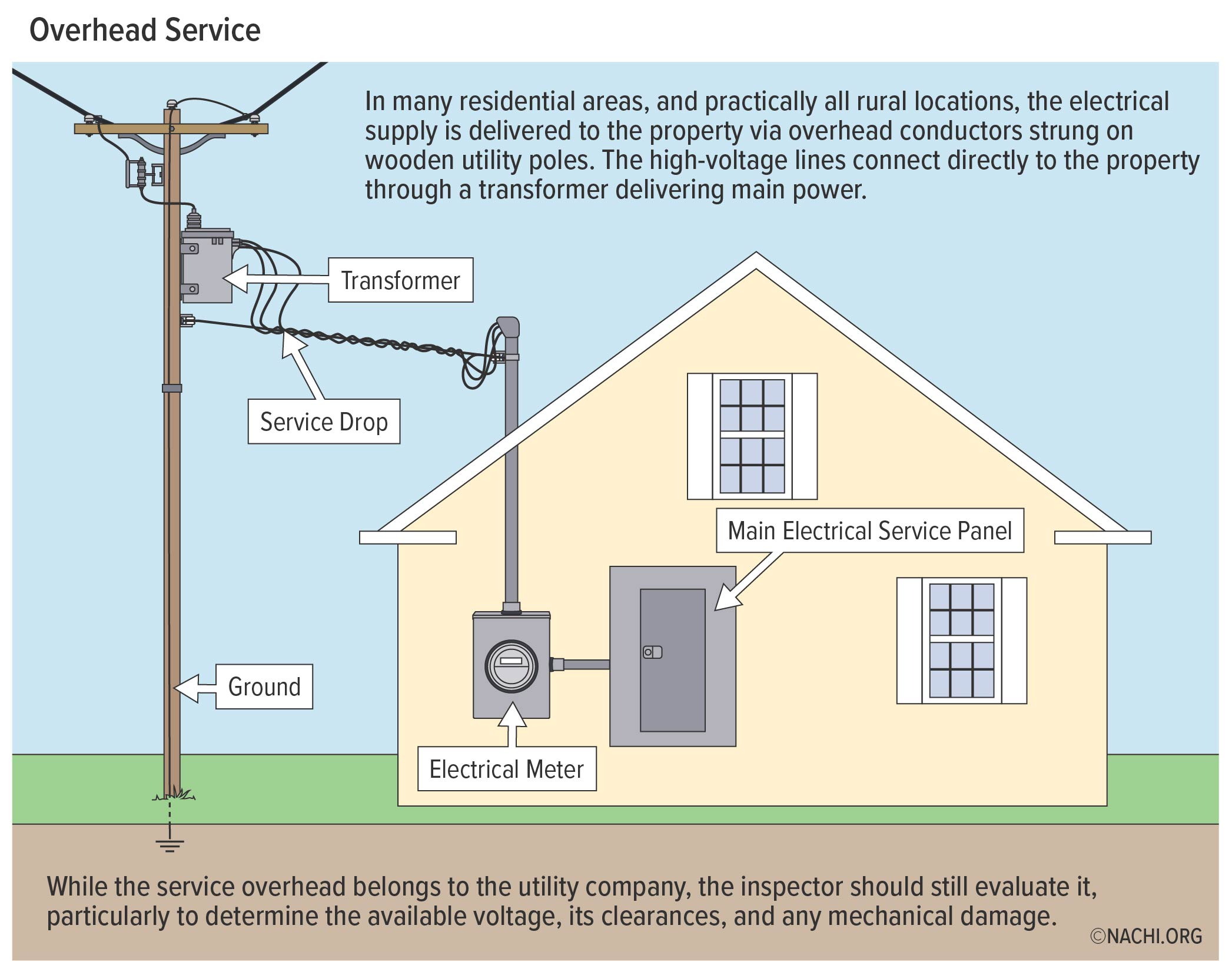
Knowing the condition of your home’s electrical wiring is more than just good practice; it’s essential for your safety and peace of mind. One often-overlooked component is the overhead service wiring, the lifeline that connects your house to the main power grid. Understanding its lifespan and potential vulnerabilities can save you from unexpected outages and costly repairs.
Overhead service wiring, while seemingly robust, isn't immune to the ravages of time and environmental factors. Typically, you can expect this wiring to last anywhere from 25 to 40 years, but this is just an estimate. Factors like climate, the quality of the initial installation, and the materials used significantly influence its actual lifespan. Recognizing the signs of wear and tear and understanding what impacts its longevity is key to proactive maintenance.
Before we dive deeper, here’s a quick safety reminder: Always treat overhead wires as live and dangerous. Never attempt to handle or repair them yourself. Contact a qualified electrician for any inspection, repair, or replacement work. This isn’t a DIY project!
Factors Affecting the Lifespan of Overhead Service Wiring
Several factors can dramatically shorten or extend the lifespan of your overhead service wiring. Understanding these elements allows you to be more vigilant and take preventive measures.
Climate and Weather Conditions
The climate in your region plays a significant role. Areas with harsh weather conditions, such as extreme heat, freezing temperatures, or frequent storms, tend to see a shorter lifespan for overhead wiring.
Heat: Prolonged exposure to high temperatures can cause the insulation around the wires to degrade, becoming brittle and cracked. This exposes the conductor and increases the risk of short circuits and power outages.
Cold: Freezing temperatures can make the wires contract, putting stress on connection points and potentially leading to breaks. Ice accumulation can also add significant weight, causing the wires to sag or snap.
Wind and Storms: High winds can cause wires to sway and rub against trees or other structures, gradually wearing away the insulation. Severe storms, including hurricanes and tornadoes, can cause direct damage, tearing down wires and causing widespread power outages. Lightning strikes are also a serious threat, potentially damaging the wiring and connected electrical systems.
Coastal Environments: Salt air and moisture in coastal areas accelerate corrosion, which can weaken the wiring and connection points over time. Regular inspections are particularly important in these environments.
Material Quality and Installation
The quality of the materials used and the initial installation practices greatly impact the longevity of overhead service wiring.
Wire Material: Older wiring may be made of aluminum or copper. While copper is more conductive, aluminum is lighter and more cost-effective. However, aluminum is also more prone to corrosion, especially when in contact with dissimilar metals. Modern wiring often uses improved aluminum alloys that are more resistant to corrosion.
Insulation: The type and quality of insulation are critical. Older types of insulation may become brittle and crack over time, especially when exposed to UV radiation from the sun. Modern cross-linked polyethylene (XLPE) insulation offers superior resistance to heat, moisture, and UV radiation, extending the wiring's lifespan.
Installation Quality: Proper installation is paramount. Poorly installed wiring, loose connections, and inadequate support can all lead to premature failure. A qualified electrician will ensure that the wiring is properly secured, connections are tight, and appropriate clearances are maintained from trees and other structures.
Tree Contact and Vegetation Growth
Trees and vegetation can pose a significant threat to overhead service wiring. Regular trimming is essential to prevent damage.
Physical Damage: Tree branches can rub against the wires, gradually wearing away the insulation. In severe cases, branches can break and fall onto the wires, causing them to snap or pull away from their connection points.
Moisture Retention: Overhanging branches can trap moisture against the wires, accelerating corrosion and insulation degradation.
Wildlife: Squirrels and other animals can gnaw on the wiring, damaging the insulation and creating a safety hazard.
Electrical Load and Usage
The amount of electricity your household consumes can also affect the lifespan of your overhead service wiring.
Overloading: Consistently overloading the circuit can cause the wires to overheat, damaging the insulation and potentially leading to a fire.
Voltage Fluctuations: Frequent voltage fluctuations can put stress on the wiring and connected appliances, shortening their lifespan.
Signs of Deterioration in Overhead Service Wiring
Recognizing the warning signs of deteriorating overhead service wiring is crucial for preventing potential hazards and costly repairs. Here are some key indicators to watch out for: Sagging Wires:A noticeable sag in the overhead wires can indicate that the wires are stretched, weakened, or overloaded. This can also be a sign of damage from ice accumulation or tree contact.
Frayed or Cracked Insulation: Inspect the insulation for any signs of fraying, cracking, or discoloration. This is a clear indication that the insulation is deteriorating and needs to be replaced. Binoculars can be helpful for visual inspection from a safe distance.
Corrosion: Look for signs of corrosion, such as rust or a green or white powdery substance, on the wires and connection points. Corrosion weakens the wiring and increases the risk of electrical faults.
Flickering Lights or Power Outages: Frequent flickering lights or unexplained power outages can be a sign of problems with the overhead service wiring. These issues could indicate loose connections, damaged wiring, or an overloaded circuit.
Burning Smell: A burning smell near the electrical panel or overhead wiring is a serious warning sign. This could indicate that the wiring is overheating and needs immediate attention. Turn off the power and contact a qualified electrician immediately.
Audible Buzzing or Crackling: Unusual buzzing or crackling sounds coming from the overhead wiring or electrical panel can indicate loose connections, arcing, or other electrical problems.
Extending the Lifespan of Your Overhead Service Wiring
While you can't completely prevent aging, there are several steps you can take to extend the lifespan of your overhead service wiring and ensure its continued safe operation.
Regular Inspections by a Qualified Electrician
Schedule regular inspections by a qualified electrician to assess the condition of your overhead service wiring. An electrician can identify potential problems early on and recommend appropriate repairs or replacements. Annual inspections are generally recommended, but more frequent inspections may be necessary in areas with harsh weather conditions or known electrical issues.
Tree Trimming and Vegetation Management
Keep trees and vegetation trimmed away from the overhead service wiring. This will prevent physical damage, moisture retention, and interference with the wiring. Contact your local utility company or a professional tree trimming service to ensure that the work is done safely and in compliance with local regulations. Never attempt to trim trees near power lines yourself.
Avoid Overloading Circuits
Be mindful of the amount of electricity you are using and avoid overloading circuits. Overloading can cause the wiring to overheat and damage the insulation. Use power strips with surge protection to protect your appliances and electronics from voltage fluctuations. Consider upgrading your electrical panel if you frequently experience tripped breakers or blown fuses.
Upgrade to Modern Wiring and Insulation
If your overhead service wiring is old or shows signs of deterioration, consider upgrading to modern wiring and insulation. Modern wiring materials, such as improved aluminum alloys and cross-linked polyethylene (XLPE) insulation, offer superior resistance to corrosion, heat, and UV radiation, extending the wiring's lifespan.
Proper Grounding
Ensure that your electrical system is properly grounded. Grounding provides a safe path for electricity to flow in the event of a fault, protecting you from electric shock and preventing damage to your appliances and electronics. Have a qualified electrician inspect your grounding system to ensure that it is functioning properly.
Protecting Your Investment
By taking these proactive steps, you're not just prolonging the life of your electrical wiring; you're also safeguarding your home and family. Regular maintenance and timely upgrades are investments that pay off in the long run, ensuring a safe and reliable electrical system for years to come.
How often should I have my overhead service wiring inspected?
Ideally, schedule an inspection by a qualified electrician at least once a year. If you live in an area with severe weather, more frequent inspections might be necessary. Also, schedule an inspection after any major weather event, like a hurricane or severe thunderstorm.
What are the dangers of ignoring damaged overhead wiring?
Ignoring damaged overhead wiring can lead to a range of serious consequences, including electrical fires, power outages, electric shock, and damage to appliances and electronics. Damaged wiring can also pose a threat to utility workers and the general public.
Can I replace my overhead service wiring myself?
No. Replacing overhead service wiring is a dangerous task that should only be performed by a qualified electrician. Working near power lines can be fatal if proper safety precautions are not taken. Always hire a licensed and insured electrician for any electrical work that involves overhead wiring.
Taking the time to understand the factors that affect your overhead service wiring's lifespan and proactively addressing potential issues can make a significant difference. You're now equipped with the knowledge to recognize warning signs and take the necessary steps to ensure your home’s electrical system remains safe and reliable. Stay vigilant, stay informed, and trust your instincts when it comes to electrical safety.