
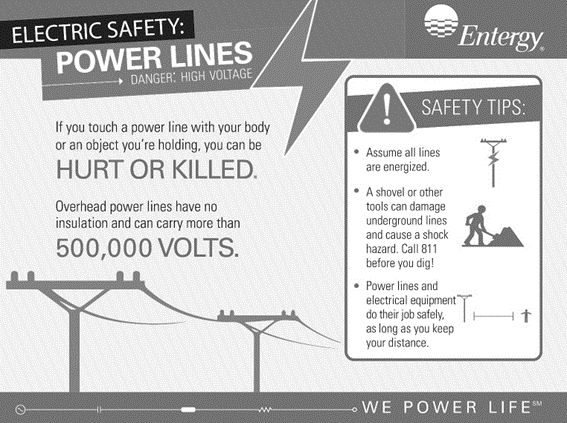
The sky might be the limit for some things, but when it comes to electrical service, ignoring overhead wiring safety is a fast track to serious danger. From electrocution to property damage, the risks are simply too high to cut corners.
Overhead service wiring, the conductors running from the utility pole to your building, are a critical part of your electrical system. Maintaining their integrity and ensuring safety is paramount for protecting lives and property. It's not just about following code; it's about understanding the physics and potential hazards involved in handling high-voltage electricity at height.
Always de-energize the circuit before working near overhead service wiring. Never assume a wire is dead. Verify it with a reliable voltage tester. This simple check can save your life.
Overhead Service Wiring: Safety Rules Electricians Live By
Electricians don't just follow rules; they understand the "why" behind them. When dealing with overhead service wiring, experience and knowledge are non-negotiable. Here's a glimpse into the safety protocols that guide professional electricians every day.
Maintaining Safe Clearance
One of the most critical aspects of overhead service wiring is maintaining adequate clearance from the ground, buildings, and other objects. The National Electrical Code (NEC) provides specific guidelines based on voltage levels and location. These clearances are designed to prevent accidental contact and arcing, which can lead to fires and electrocution. For example, service drops over residential driveways typically require a minimum clearance of 12 feet, while those over public streets may require 18 feet or more.
These clearances aren't arbitrary numbers. They're carefully calculated based on factors like sag (the amount the wire droops between supports), wind loading, and potential for ice accumulation. An experienced electrician will not only know these requirements but will also be able to assess the site conditions and make adjustments as necessary to ensure safety. Regularly inspect your overhead service entrance to ensure adequate clearance. Over time, trees may grow too close or structures may be altered, reducing necessary clearance.
Proper Wiring Materials and Installation
Using the correct wiring materials is essential for a safe and reliable overhead service. The NEC specifies the types of conductors that are approved for overhead use, taking into account factors like weather resistance, ampacity (current-carrying capacity), and mechanical strength. Aluminum conductors are commonly used for service drops due to their lighter weight and lower cost compared to copper, but they require special connectors designed to prevent corrosion.
The installation process is just as important as the materials themselves. Proper tensioning of the conductors is crucial to prevent excessive sag and ensure adequate clearance. The service mast, which supports the service drop at the building, must be securely mounted to the structure and properly grounded. All connections must be made with approved connectors and torqued to the manufacturer's specifications to prevent loose connections, which can lead to overheating and arcing.
Weatherhead and Drip Loops
The weatherhead is a protective fitting that prevents rain and snow from entering the service conduit. It's typically installed at the top of the service mast and directs the conductors downward. Drip loops are formed in the conductors just below the weatherhead to further prevent water from entering the building. These simple features play a vital role in preventing corrosion and electrical faults.
The weatherhead needs to be properly sealed to prevent moisture ingress. Also, it should be inspected regularly for damage, such as cracks or broken seals. Likewise, drip loops should be checked to ensure they are properly formed and not obstructed.
Grounding and Bonding
Proper grounding and bonding are fundamental to electrical safety, especially with overhead service wiring. The grounding system provides a low-impedance path for fault currents to flow back to the source, allowing overcurrent protection devices (like circuit breakers) to trip and clear the fault. Bonding ensures that all metal parts of the electrical system, such as conduit and enclosures, are at the same electrical potential, minimizing the risk of electric shock.
The grounding electrode system, which typically consists of ground rods or a buried ground ring, must be properly sized and installed according to the NEC. The service neutral conductor is also connected to the grounding electrode system, providing a reference point for the electrical system. Bonding jumpers are used to connect metal parts of the electrical system to the grounding system, ensuring that they are all at the same potential.
Working at Heights Safely
Working with overhead service wiring invariably involves working at heights, which introduces additional safety risks. Electricians are trained to use appropriate fall protection equipment, such as harnesses and lanyards, and to follow safe work practices when working on ladders or aerial lifts. A spotter should always be present to provide assistance and to warn of potential hazards.
Before starting any work at height, a thorough risk assessment should be conducted to identify potential hazards and to develop a plan to mitigate them. This includes checking the weather conditions, ensuring that the ladder or lift is properly positioned and stable, and identifying any overhead obstructions.
Emergency Procedures
Even with the best safety precautions, accidents can still happen. It's crucial to have emergency procedures in place in case of an electrical shock or other injury. This includes knowing how to shut off the power quickly, providing first aid, and calling for emergency assistance.
Electricians are trained in CPR and other first aid techniques, and they carry emergency contact information with them at all times. They also know how to recognize the signs of electrical shock and how to provide appropriate treatment. Having a well-defined emergency plan can make a critical difference in the outcome of an accident.
Frequently Asked Questions (FAQs) About Overhead Service Wiring Safety
How often should I inspect my overhead service wiring?
A visual inspection of your overhead service wiring should be done at least once a year, preferably in the spring and fall. Look for signs of damage, such as frayed or cracked insulation, loose connections, or excessive sag. If you notice anything that looks suspicious, contact a qualified electrician for a more thorough inspection. Especially after severe weather events like high winds or ice storms, a prompt inspection could prevent future problems.
Can I trim trees near my overhead service wiring myself?
No. Trimming trees near overhead service wiring is extremely dangerous and should only be done by qualified professionals who have the proper training and equipment. Contact your local utility company or a certified arborist for assistance. Never attempt to trim trees yourself, as you could easily come into contact with live wires and suffer a serious or fatal shock. Also, consider the impact of tree trimming on wildlife and the environment, opting for responsible and sustainable practices.
What should I do if I see a downed power line?
If you see a downed power line, stay away from it and anything that is in contact with it, such as fences or puddles of water. Assume that the wire is live and dangerous. Call your local utility company or emergency services immediately to report the downed wire. Warn others to stay away from the area until the power is shut off.
Common Mistakes and How to Avoid Them
One of the most common mistakes is underestimating the voltage of overhead service wiring. Even low-voltage service drops can be lethal under the right conditions. Never assume that a wire is dead. Always verify it with a reliable voltage tester before touching it.
Another mistake is using improper tools or equipment. Always use insulated tools that are rated for the voltage you are working with. Wear appropriate personal protective equipment (PPE), such as rubber gloves and safety glasses. Never use metal ladders when working near electrical wires.
Failing to properly secure the service mast to the building is another common error. The service mast must be strong enough to support the weight of the service drop and to withstand wind and ice loads. If the service mast is not properly secured, it can collapse, causing the service drop to fall and potentially create a dangerous situation.
Staying Compliant with Electrical Codes
The NEC is the primary source of information for electrical safety standards in the United States. It is updated every three years to reflect the latest technological advancements and safety practices. Electricians are required to stay up-to-date with the latest edition of the NEC and to follow its guidelines when installing or repairing electrical systems.
Local jurisdictions may also have their own electrical codes and regulations that are more stringent than the NEC. It is important to be familiar with the local codes in your area and to comply with them. Working with a licensed and experienced electrician ensures that your electrical work is done safely and in compliance with all applicable codes.
Working with overhead service wiring demands respect, knowledge, and unwavering adherence to safety protocols. By following these guidelines and staying informed about the latest safety standards, you can ensure a safe and reliable electrical system for your home or business. You've got this!