
Overhead service wiring: it’s the lifeline that brings electricity from the utility lines to your home. But what happens when something goes wrong? A fallen tree branch, a surge from the power company, or even just old, worn-out wires can create dangerous situations. That’s where circuit breakers come in, acting as silent guardians of your electrical system.
Circuit breakers are absolutely critical components within any electrical system, but their role is especially vital in overhead service wiring. They're designed to protect your home from overloads and short circuits, preventing potential fires and electrical damage. Understanding how they function in the context of your overhead service is key to ensuring the safety and reliability of your entire electrical setup. We will be exploring the function of circuit breakers in your overhead service wiring and what you need to know to stay safe and informed.
Before you start any electrical work, always remember to turn off the main breaker and verify that the power is off with a reliable voltage tester. Safety first!
Why Circuit Breakers Are Essential for Overhead Service Wiring
Overhead service wiring, by its very nature, is exposed to the elements. Wind, rain, ice, and even curious squirrels can all contribute to potential electrical hazards. Circuit breakers are the first line of defense against these hazards, providing critical protection in several key ways. They are designed to trip (shut off) when the electrical current exceeds a safe level, interrupting the flow of electricity and preventing damage to your wiring and appliances. Without properly functioning circuit breakers, even a minor fault in your overhead service could lead to a major fire.
Overload Protection
One of the primary functions of a circuit breaker is to protect against overloads. An overload occurs when you draw more current than the circuit is designed to handle. This can happen when you plug in too many appliances on the same circuit, causing the wires to overheat. A circuit breaker will trip, cutting off the power before the wires get hot enough to start a fire. For example, think of plugging in a space heater, a hair dryer, and a microwave all on the same kitchen circuit. That's a recipe for an overload! The circuit breaker recognizes this excessive demand and trips, preventing damage.
Short Circuit Protection
Short circuits are another common electrical hazard. A short circuit occurs when a "hot" wire comes into direct contact with a neutral wire or a ground wire. This creates a sudden, massive surge of current, which can cause immediate and severe damage. Circuit breakers are designed to react almost instantaneously to short circuits, tripping within milliseconds to prevent fires and explosions. Imagine a nail accidentally piercing a wire inside your wall. This could create a short circuit, but a properly functioning circuit breaker will trip instantly, minimizing the risk.
Ground Fault Protection
Ground faults are similar to short circuits but involve current leaking to ground. This can happen if there's damage to the insulation of a wire, allowing current to flow through unintended paths. Ground fault circuit interrupters (GFCIs) are specifically designed to detect these types of faults and trip quickly, protecting people from electric shock. While not always directly integrated into the main breaker panel for the entire overhead service, GFCIs are often used on individual circuits that branch out from the panel, especially in areas where water is present, such as kitchens, bathrooms, and outdoor outlets. Understanding the difference between standard circuit breakers and GFCIs is crucial for complete electrical safety.
Understanding Different Types of Circuit Breakers
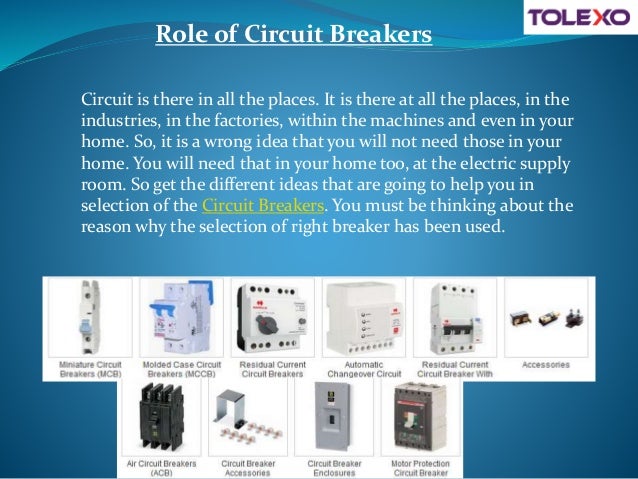
Not all circuit breakers are created equal. Different types of breakers are designed to handle different types of electrical loads and hazards. Knowing the difference can help you ensure that your electrical system is properly protected.
Standard Circuit Breakers (Thermal-Magnetic)
These are the most common type of circuit breaker, found in most homes. They use a combination of thermal and magnetic mechanisms to trip. The thermal mechanism protects against overloads, while the magnetic mechanism protects against short circuits. When an overload occurs, a bimetallic strip inside the breaker heats up and bends, eventually tripping the breaker. In the event of a short circuit, a strong magnetic field is created, which instantly trips the breaker.
Ground Fault Circuit Interrupters (GFCIs)
As mentioned earlier, GFCIs are designed to protect against ground faults. They work by constantly monitoring the current flowing into and out of a circuit. If there's a difference of even a few milliamperes, the GFCI will trip, cutting off the power in milliseconds. GFCIs are typically installed in outlets located in areas where water is present, such as bathrooms, kitchens, and outdoor areas. They are also available as circuit breakers that can be installed in your main breaker panel.
Arc Fault Circuit Interrupters (AFCIs)
AFCIs are designed to protect against arc faults, which are dangerous electrical arcs that can occur due to damaged or deteriorated wiring. These arcs can generate intense heat and are a leading cause of electrical fires. AFCIs work by detecting the unique electrical signature of an arc fault and tripping the breaker before a fire can start. They are becoming increasingly common in new construction and are often required by building codes in certain areas.
Dual Function Circuit Breakers
These breakers combine the protection of both an AFCI and a GFCI in a single unit. This provides comprehensive protection against overloads, short circuits, ground faults, and arc faults. They are particularly useful in areas where multiple types of hazards are present, such as kitchens and bathrooms.
Troubleshooting Circuit Breaker Issues in Overhead Service Wiring
Circuit breakers are generally reliable devices, but they can sometimes malfunction. Troubleshooting these issues can be tricky, but here are some common problems and how to address them.
Tripping Breakers
One of the most common problems is a circuit breaker that trips frequently. This can be caused by several factors, including overloads, short circuits, and ground faults. The first step is to identify which circuit is tripping and what appliances are connected to it. If the breaker trips only when certain appliances are in use, it's likely an overload. Try moving some of the appliances to a different circuit. If the breaker trips even when no appliances are connected, it could indicate a short circuit or a ground fault. In this case, it's best to call a qualified electrician.
Breakers That Won't Reset
Sometimes, a circuit breaker may trip and refuse to reset. This could indicate a serious electrical problem, such as a short circuit or a ground fault. Do not force the breaker to reset. Instead, turn off all appliances on the circuit and try resetting the breaker again. If it still won't reset, call an electrician immediately. Forcing a breaker to reset can be dangerous and could lead to a fire.
Testing Circuit Breakers
Regularly testing your circuit breakers is a good practice to ensure they are functioning properly. You can use a circuit breaker tester to verify that the breaker trips when it's supposed to. These testers typically simulate an overload or a short circuit, allowing you to check the breaker's response. For GFCIs, there is usually a test button on the outlet itself. Pressing this button should cause the GFCI to trip. If it doesn't, the GFCI is likely faulty and needs to be replaced.
People Also Ask (FAQs): How often should I replace my circuit breakers? While circuit breakers can last for many years, it's generally recommended to have them inspected by a qualified electrician every 10-15 years. If you notice any signs of malfunction, such as frequent tripping or difficulty resetting, it's best to replace the breaker as soon as possible.
Can I replace a circuit breaker myself? While it's possible to replace a circuit breaker yourself, it's generally not recommended unless you have experience working with electrical systems. Working with electricity can be dangerous, and it's always best to err on the side of caution. If you're not comfortable working with electricity, call a qualified electrician.
What size circuit breaker do I need? The size of the circuit breaker depends on the size of the wire and the load it's designed to carry. Using a breaker that is too large can be dangerous because it may not trip in the event of an overload, potentially leading to a fire. Consult a qualified electrician to determine the appropriate breaker size for your specific application.
Safety Tips for Working with Overhead Service Wiring
Working with overhead service wiring can be extremely dangerous and should only be performed by qualified electricians. However, there are some basic safety precautions that everyone should follow.
Always Turn Off the Power
Before working on any electrical system, always turn off the main breaker. This will disconnect the power to the entire house, minimizing the risk of electric shock. Use a reliable voltage tester to verify that the power is off before touching any wires or components. Never assume that the power is off just because the breaker is switched off.
Use the Right Tools
When working with electrical systems, it's essential to use the right tools. This includes insulated screwdrivers, pliers, and wire strippers. These tools are designed to protect you from electric shock. Never use tools that are damaged or worn.
Wear Protective Gear
Wear appropriate protective gear, such as safety glasses and gloves. This will protect your eyes and hands from injury. Avoid wearing loose clothing or jewelry that could get caught in the wiring.
Maintain a Safe Distance
When working near overhead service wiring, maintain a safe distance from the wires. Never touch or attempt to repair overhead service wiring yourself. Always call the utility company or a qualified electrician to handle these types of repairs. Overhead service wiring carries extremely high voltage, and contact with these wires can be fatal.
Understanding the critical role of circuit breakers in your overhead service wiring is a significant step towards ensuring the safety and reliability of your home's electrical system. By understanding how they work, recognizing potential problems, and knowing when to call a professional, you can protect your home and family from electrical hazards. Remember, when in doubt, always consult a qualified electrician. Electrical safety is not something to take lightly, and a little knowledge can go a long way in keeping your home safe and powered.