
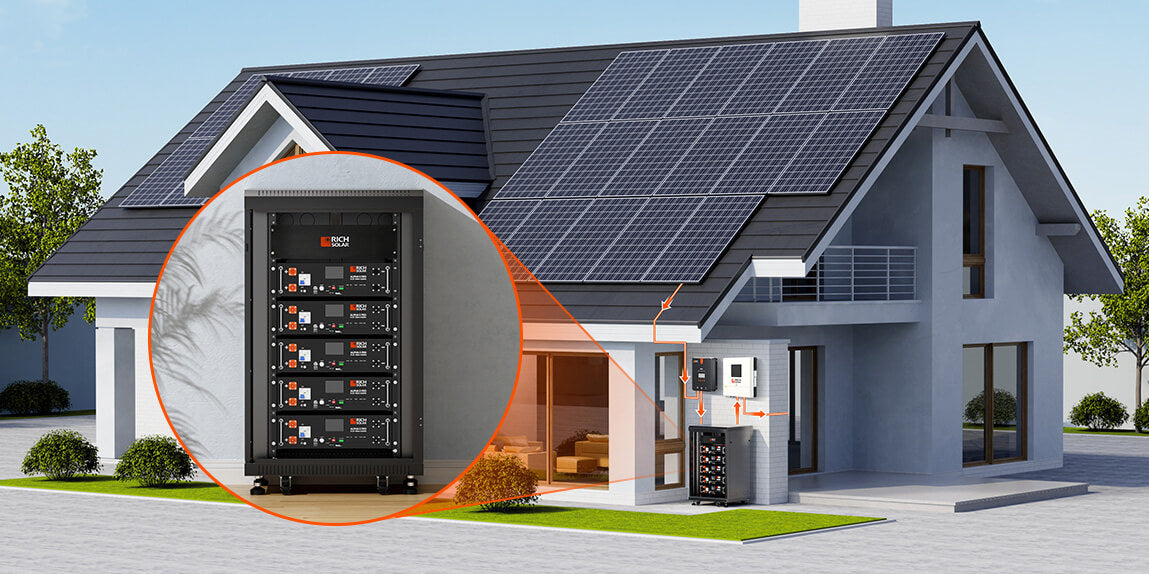
Harnessing the sun's energy to power your batteries sounds like a dream, right? Clean, sustainable, and cost-effective. But before you rush out and buy a solar panel, it's crucial to understand that successfully charging batteries with solar isn't always as simple as plugging things in and hoping for the best. Many people encounter unexpected issues, leaving them with undercharged batteries and a feeling of frustration.
Imagine setting up your solar charging system, eager to enjoy off-grid power, only to find your batteries constantly running low. Perhaps your devices shut down unexpectedly, or your battery bank seems to degrade faster than it should. These kinds of experiences can be incredibly annoying, especially when you were counting on reliable solar power.
This guide is designed to help you avoid those headaches. We'll walk through the most common mistakes people make when using solar panels to charge batteries, offering practical advice and clear explanations to ensure your solar setup is efficient, reliable, and long-lasting. We’ll cover everything from choosing the right equipment to understanding battery chemistry and optimizing your system for peak performance.
In short, effectively charging batteries with solar involves selecting the right panels, charge controllers, and batteries; properly sizing your system to meet your energy needs; avoiding over-discharge and over-charging; and understanding the nuances of different battery types. By addressing these key areas, you can ensure your solar setup is reliable, efficient, and maximizes the lifespan of your batteries. We'll delve into topics like solar panel selection, charge controller types, battery capacity and chemistry, wiring and connections, shading issues, and seasonal adjustments.
Mismatched Voltages and Incorrect Wiring
I remember when I first started experimenting with solar charging. I had a small solar panel from an old science kit and a 12V lead-acid battery from a car. In my naive enthusiasm, I simply connected the panel directly to the battery, thinking the sun would do its magic. To my surprise, nothing happened! The battery remained stubbornly uncharged. After some research, I realized my mistake: the voltage of the solar panel wasn't properly matched to the battery's charging requirements, and I was missing a crucial component – a charge controller. Without it, the panel couldn't efficiently transfer energy to the battery, and there was also a risk of overcharging and damaging the battery.
This experience taught me a valuable lesson about the importance of understanding voltage matching and the role of a charge controller. Solar panels often produce a voltage that is higher than the nominal voltage of the battery you're trying to charge. For example, a panel intended for a 12V system might output 16-20V under ideal conditions. This higher voltage is necessary to overcome the internal resistance of the battery and ensure a complete charge. However, directly connecting this panel to the battery can lead to overcharging, which significantly shortens the battery's lifespan. A charge controller acts as an intermediary, regulating the voltage and current flowing from the panel to the battery. It ensures that the battery receives the correct charging voltage and prevents overcharging by cutting off the current when the battery is full. In addition to voltage matching, correct wiring is essential for a safe and efficient solar charging system. Using appropriately sized wires is crucial to minimize voltage drop and prevent overheating, which can lead to energy loss and even fire hazards. Proper grounding is also essential to protect against electrical shocks and ensure the system operates safely. Incorrect wiring can also cause damage to the solar panel, charge controller, or battery, leading to costly repairs or replacements.
Ignoring Battery Chemistry
One of the most common pitfalls is treating all batteries the same. Different battery chemistries – lead-acid (flooded, AGM, gel), lithium-ion, and others – have distinct charging requirements. Each type has its own ideal voltage range, charging profile, and sensitivity to overcharging or deep discharging. For instance, lithium-ion batteries are far more sensitive to overcharging than lead-acid batteries. Exceeding their maximum voltage can cause irreversible damage and even pose a fire hazard. Similarly, deep-cycling a lead-acid battery can significantly reduce its lifespan.
The key is to understand the specific needs of your battery type and use a charge controller that is compatible with it. Many modern charge controllers offer customizable charging profiles for different battery chemistries, allowing you to fine-tune the charging process for optimal performance and longevity. Ignoring these differences can lead to reduced battery capacity, shortened lifespan, and even safety hazards. It's also important to be aware of the temperature sensitivity of your batteries. Extreme temperatures can affect their charging efficiency and lifespan. For example, lead-acid batteries perform best within a specific temperature range, and their charging voltage should be adjusted based on the ambient temperature. Lithium-ion batteries are even more sensitive to temperature, and it's crucial to protect them from extreme heat or cold. Some advanced charge controllers incorporate temperature sensors that automatically adjust the charging voltage to compensate for temperature variations. By understanding and accommodating the specific needs of your battery chemistry, you can maximize its performance and lifespan, ensuring a reliable and efficient solar charging system.
Shading and Panel Placement
The sun, our generous power source, can be easily compromised by something as simple as a shadow. I once helped a friend set up a solar system on their RV. We proudly mounted the panel on the roof, but failed to notice a nearby tree that cast a shadow across a portion of the panel during certain times of the day. The result? A significant drop in power output. Even a small amount of shading can drastically reduce the panel's performance. This is because solar panels are typically wired in series, and the shaded cell acts like a bottleneck, restricting the flow of current.
Optimal panel placement is crucial for maximizing solar energy capture. Panels should be positioned to receive direct sunlight for as many hours of the day as possible, especially during peak sunlight hours. This often means facing the panels south (in the northern hemisphere) and adjusting the tilt angle based on the season. During the summer, when the sun is higher in the sky, a shallower tilt angle is ideal. In the winter, when the sun is lower, a steeper tilt angle is needed. Regular monitoring of your solar panel's output can help you identify and address any shading issues or placement inefficiencies. You can use a solar power meter or a smartphone app to measure the panel's voltage and current output under different conditions. This information can help you fine-tune your panel's placement and ensure it's operating at its full potential. In addition to shading, other environmental factors can also affect panel performance. Dust, dirt, and bird droppings can accumulate on the panel's surface, reducing its ability to absorb sunlight. Regular cleaning of your solar panels is essential to maintain their efficiency. Simply wiping the panels with a soft cloth and water can significantly improve their output. By paying attention to shading, panel placement, and environmental factors, you can maximize the amount of solar energy you capture and ensure your battery charging system is performing optimally.
Oversizing and Undersizing Your System
The goldilocks principle applies to solar charging: you need a system that's "just right." Oversizing can lead to unnecessary expense, while undersizing results in insufficient charging. Imagine buying a huge solar array, far larger than your battery bank can handle. Not only will you have wasted money on unused capacity, but you might also risk overcharging your batteries, even with a charge controller in place. On the other hand, a too-small system will struggle to keep up with your energy demands, leaving you constantly running out of power.
Accurate load calculation is the foundation of proper system sizing. This involves determining the total energy consumption of all the devices you plan to power with your solar system. Start by listing all your appliances, lights, and electronic devices, and note their wattage and daily usage hours. Multiply the wattage by the usage hours to get the daily energy consumption in watt-hours. Add up the energy consumption of all your devices to get the total daily energy consumption. Next, consider factors like weather conditions and seasonal variations. In areas with frequent cloud cover, you'll need to factor in a lower solar irradiance level, which means you'll need a larger solar array to compensate for the reduced sunlight. Similarly, during the winter months, when the days are shorter, you'll need to adjust your system size to account for the reduced sunlight hours. Battery capacity is another crucial factor to consider. You need to choose a battery bank that is large enough to store the energy generated by your solar panels and meet your energy demands, even during periods of low sunlight. A general rule of thumb is to size your battery bank to provide at least 2-3 days of autonomy, meaning it can power your devices for 2-3 days without any solar input. By carefully calculating your energy needs, considering environmental factors, and choosing the appropriate battery capacity, you can ensure your solar charging system is properly sized to meet your requirements, without overspending or sacrificing performance.
Choosing the Wrong Charge Controller
Selecting the right charge controller is more than just a formality; it’s the brain of your solar charging system. Charge controllers come in various types, each with its own advantages and disadvantages. Two of the most common types are PWM (Pulse Width Modulation) and MPPT (Maximum Power Point Tracking). PWM controllers are simpler and less expensive, making them suitable for smaller systems. However, they are less efficient than MPPT controllers, especially when there is a significant voltage difference between the solar panel and the battery. MPPT controllers, on the other hand, are more sophisticated and can extract more power from the solar panel by constantly adjusting the voltage and current to the optimal level. This makes them ideal for larger systems or situations where maximizing energy harvest is critical.
Compatibility with your battery type is another crucial factor to consider when choosing a charge controller. As mentioned earlier, different battery chemistries have distinct charging requirements, and the charge controller must be able to accommodate these differences. Many modern charge controllers offer customizable charging profiles for different battery types, allowing you to fine-tune the charging process for optimal performance and longevity. In addition to battery compatibility, it's also important to consider the voltage and current ratings of the charge controller. The controller must be able to handle the maximum voltage and current output of your solar panel, as well as the voltage and capacity of your battery bank. Choosing a controller that is too small can result in damage to the controller or the battery, while choosing one that is too large can be unnecessarily expensive. Features like temperature compensation, data logging, and remote monitoring can also be valuable additions to a charge controller. Temperature compensation automatically adjusts the charging voltage based on the ambient temperature, ensuring optimal charging performance in all conditions. Data logging allows you to track the performance of your solar charging system over time, helping you identify any issues or inefficiencies. Remote monitoring allows you to monitor and control your system from a remote location, which can be particularly useful for off-grid or remote installations. By carefully considering the type, compatibility, voltage and current ratings, and features of a charge controller, you can ensure it is the right fit for your solar charging system, maximizing its efficiency and reliability.
Understanding Depth of Discharge (Do D)
Depth of Discharge (Do D) is a critical concept in battery management, especially when using solar to charge batteries. Do D refers to the percentage of a battery's capacity that has been discharged. For example, if you discharge a 100Ah battery by 50Ah, the Do D is 50%. Different battery chemistries have different recommended Do D limits. Lead-acid batteries, for instance, have a relatively shallow Do D limit, typically around 50%. Exceeding this limit can significantly reduce their lifespan. Lithium-ion batteries, on the other hand, can typically handle deeper discharges, often up to 80% or even 90%.
Understanding the Do D limits of your batteries is essential for maximizing their lifespan. Regularly deep-cycling a battery beyond its recommended Do D can cause irreversible damage and shorten its lifespan significantly. To avoid this, it's important to monitor your battery's state of charge and avoid discharging it too deeply. Many battery monitors and charge controllers provide information on the battery's state of charge and can even be programmed to automatically disconnect the load when the battery reaches a certain Do D level. In addition to Do D, it's also important to consider the charging habits of your batteries. Frequent partial discharges are generally better than infrequent deep discharges. This is because deep discharges put more stress on the battery and accelerate its degradation. Maintaining a consistent charging cycle and avoiding extreme Do D levels will help extend the lifespan of your batteries and ensure a reliable solar charging system. Furthermore, temperature plays a crucial role in Do D management. High temperatures can accelerate the degradation of batteries, especially when they are deeply discharged. It's important to protect your batteries from extreme heat and consider using temperature sensors and charge controllers with temperature compensation to optimize charging performance in all conditions. By understanding and managing the Do D of your batteries, you can significantly extend their lifespan and ensure a reliable and efficient solar charging system.
Ignoring Seasonal Adjustments
Solar energy availability varies significantly throughout the year. In the summer, we enjoy long days with abundant sunshine, while in the winter, the days are shorter and the sun is lower in the sky. Failing to account for these seasonal variations can lead to undercharged batteries in the winter and overcharged batteries in the summer. Adjusting the tilt angle of your solar panels is a simple but effective way to optimize energy capture throughout the year.
As mentioned earlier, a steeper tilt angle is needed in the winter to capture more sunlight, while a shallower tilt angle is ideal in the summer. A general rule of thumb is to add 15 degrees to your latitude in the winter and subtract 15 degrees from your latitude in the summer. For example, if you live at 40 degrees latitude, you would tilt your panels at 55 degrees in the winter and 25 degrees in the summer. In addition to tilt angle adjustments, you may also need to adjust your charging parameters based on the season. During the winter, when sunlight is less abundant, you may need to reduce your energy consumption to avoid over-discharging your batteries. You may also need to increase the charging voltage to compensate for lower temperatures. During the summer, when sunlight is plentiful, you may need to reduce the charging voltage to prevent overcharging your batteries. Regular monitoring of your solar panel's output and battery's state of charge can help you identify and address any seasonal imbalances. By making these simple adjustments, you can ensure your solar charging system is operating optimally throughout the year, providing a reliable and consistent source of power. You can also use online solar calculators to help determine the optimal tilt angle for your location and season. These calculators take into account factors like latitude, longitude, and weather patterns to provide a more accurate estimate of the ideal tilt angle.
Tips for Avoiding Common Mistakes
Let's recap some quick tips to keep you on the right track. First, always match your solar panel voltage to your battery voltage, and use a compatible charge controller. Second, understand the specific charging requirements of your battery chemistry. Third, avoid shading and optimize your panel placement. Fourth, accurately size your system to meet your energy needs. Fifth, regularly monitor your system's performance and make seasonal adjustments as needed.
Beyond these basics, consider investing in quality components. Cheap solar panels and charge controllers may seem like a bargain, but they often lack efficiency and durability, leading to long-term problems. Similarly, choose batteries from reputable manufacturers and ensure they are properly maintained. Regular maintenance, such as cleaning your solar panels and checking your wiring connections, can significantly improve the performance and lifespan of your system. It's also a good idea to keep a record of your system's performance, including daily energy production, battery state of charge, and any maintenance activities. This data can help you identify trends, diagnose problems, and optimize your system for peak performance. Don't be afraid to experiment and learn from your experiences. Solar charging is a constantly evolving field, and there's always something new to learn. Read books, watch videos, and join online forums to stay up-to-date on the latest technologies and best practices. Finally, remember to prioritize safety. Working with electricity can be dangerous, so always follow proper safety precautions when installing and maintaining your solar charging system. Wear appropriate personal protective equipment, such as gloves and safety glasses, and disconnect the power before working on any electrical components. By following these tips, you can avoid common mistakes and ensure your solar charging system is efficient, reliable, and safe.
Understanding Solar Panel Specifications
Diving deeper, let's decode some of those confusing solar panel specifications. You'll often see terms like "Voc" (Open Circuit Voltage), "Vmp" (Voltage at Maximum Power), "Isc" (Short Circuit Current), and "Imp" (Current at Maximum Power). Voc is the voltage the panel produces when no load is connected, while Vmp is the voltage at which the panel produces its maximum power. Isc is the current the panel produces when the output terminals are shorted together, and Imp is the current at which the panel produces its maximum power.
These specifications are important for determining the compatibility of the panel with your charge controller and battery bank. For example, the Voc of the panel must be within the input voltage range of the charge controller, and the Vmp of the panel should be close to the charging voltage of your battery bank. Understanding these specifications can also help you troubleshoot any performance issues you may encounter. For example, if the voltage of your panel is significantly lower than its Vmp, it may indicate a shading issue or a problem with the panel itself. In addition to these electrical specifications, it's also important to consider the physical characteristics of the panel, such as its size, weight, and mounting options. Choose a panel that is appropriate for your installation location and can withstand the environmental conditions in your area. Regular inspection of your solar panels is essential to identify any potential problems, such as cracks, delamination, or corrosion. Addressing these issues promptly can prevent them from escalating and compromising the performance of your panel. By understanding solar panel specifications and performing regular inspections, you can ensure your panels are operating optimally and providing a reliable source of power for your battery charging system. Remember to consult the manufacturer's datasheet for detailed specifications and recommendations for your specific solar panel model.
Fun Facts About Solar Charging
Did you know that the first solar cells were developed in the late 19th century? While they weren't very efficient, they paved the way for modern solar technology. Also, the amount of solar energy that reaches the Earth in just one hour is enough to power the entire planet for a year! It’s amazing to think about the potential of this clean, renewable energy source.
Another interesting fact is that solar panels are becoming increasingly efficient. The efficiency of a solar panel refers to the percentage of sunlight that it can convert into electricity. Early solar panels had efficiencies of only a few percent, but modern panels can achieve efficiencies of over 20%. This means that they can generate more power from the same amount of sunlight, making them more cost-effective and environmentally friendly. Solar energy is also playing a crucial role in space exploration. Satellites and spacecraft rely on solar panels to generate power for their onboard systems. Solar panels have even been used to power rovers on Mars. As technology continues to advance, solar energy is poised to play an even greater role in our lives, both on Earth and in space. It's not just about powering our homes and businesses; it's also about powering our future. The continuous innovation in solar technology is driving down costs and making solar energy more accessible to everyone. From thin-film solar cells to perovskite solar cells, researchers are constantly developing new materials and designs that can further improve the efficiency and affordability of solar energy. By embracing solar energy, we can reduce our reliance on fossil fuels, mitigate climate change, and create a more sustainable future for generations to come.
How to Properly Maintain Your Solar Charging System
Maintenance is key to maximizing the lifespan and efficiency of your solar charging system. Regularly cleaning your solar panels is essential to remove dust, dirt, and other debris that can block sunlight and reduce their output. Simply washing the panels with a soft cloth and water is usually sufficient. Avoid using harsh chemicals or abrasive cleaners, as these can damage the panel's surface.
Checking your wiring connections is another important maintenance task. Loose or corroded connections can cause voltage drop and reduce the efficiency of your system. Inspect all wiring connections regularly and tighten them as needed. Replace any damaged or corroded wires. Monitoring your battery's state of charge is also crucial for maintaining its health. Avoid over-discharging your batteries, as this can significantly reduce their lifespan. Use a battery monitor to track the state of charge and consider using a charge controller with low-voltage disconnect to protect your batteries from over-discharge. Inspect your batteries regularly for signs of damage, such as swelling, cracking, or leaking. Replace any damaged batteries immediately. If you have lead-acid batteries, check the electrolyte levels regularly and add distilled water as needed. Follow the manufacturer's recommendations for battery maintenance. Regular maintenance may seem like a chore, but it's an investment in the long-term performance and reliability of your solar charging system. By taking care of your equipment, you can ensure it provides you with years of trouble-free service. Furthermore, keeping a record of your maintenance activities can help you track the performance of your system and identify any potential problems before they become serious. By following these simple maintenance tips, you can maximize the lifespan and efficiency of your solar charging system and enjoy the benefits of clean, renewable energy for years to come.
What If Something Goes Wrong?
Even with the best planning and maintenance, problems can sometimes arise. If your solar panels aren't producing enough power, start by checking for shading, dirt, or damage. Use a multimeter to measure the voltage and current output of the panels to verify they are performing within their specifications. If your batteries aren't charging properly, check the charge controller settings to ensure they are compatible with your battery chemistry.
Also, check the wiring connections to make sure they are secure and free from corrosion. If your batteries are overheating, check the ventilation around them to ensure they are not being exposed to excessive heat. Consider using a temperature sensor to monitor the battery temperature and adjust the charging parameters as needed. If you suspect a problem with your charge controller, consult the manufacturer's troubleshooting guide or contact their technical support team. They may be able to help you diagnose and resolve the issue. If you're not comfortable troubleshooting electrical problems yourself, it's best to consult a qualified electrician or solar installer. They have the knowledge and experience to safely and effectively diagnose and repair any issues with your solar charging system. Don't attempt to repair any electrical components without proper training and safety precautions. Working with electricity can be dangerous, and it's always better to err on the side of caution. By following these troubleshooting tips, you can address common problems and keep your solar charging system running smoothly. Remember to consult the manufacturer's documentation for specific troubleshooting instructions for your equipment.
Listicle: Top 5 Mistakes to Avoid
Let's consolidate everything into a handy list:
1.Mismatched Voltages: Always ensure your solar panel voltage is compatible with your battery voltage.
2.Ignoring Battery Chemistry: Use a charge controller that supports your specific battery type.
3.Shading Issues: Position your panels for maximum sunlight exposure, avoiding shadows.
4.Improper System Sizing: Accurately calculate your energy needs to avoid oversizing or undersizing.
5.Lack of Maintenance: Regularly clean your panels and check your wiring connections.
By avoiding these common pitfalls, you'll be well on your way to enjoying a reliable and efficient solar charging system. Remember that solar charging is a learning process, and it's okay to make mistakes along the way. The key is to learn from your experiences and continuously improve your system. Stay informed about the latest technologies and best practices, and don't be afraid to ask for help when you need it. There are many online forums and communities where you can connect with other solar enthusiasts and get advice from experienced users. With a little planning and effort, you can create a solar charging system that provides you with clean, renewable energy for years to come. And remember, every small step towards sustainability makes a big difference for the planet. By embracing solar energy, you're not only saving money on your electricity bill; you're also contributing to a cleaner, healthier future for all. So, take the plunge and start harnessing the power of the sun today!
Question and Answer
Here are some frequently asked questions about solar charging:
Q: Can I use any solar panel to charge any battery?
A: No. You need to ensure the solar panel's voltage and current are compatible with the battery's specifications. Also, a charge controller is essential to regulate the charging process and prevent overcharging.
Q: How do I calculate the right size solar panel for my battery?
A: First, determine your daily energy needs in watt-hours. Then, consider the average sunlight hours in your location and the panel's power output. Size the panel to generate enough energy to replenish your battery each day.
Q: What is the difference between PWM and MPPT charge controllers?
A: PWM controllers are simpler and less expensive, but less efficient. MPPT controllers are more sophisticated and can extract more power from the solar panel, making them ideal for larger systems.
Q: How often should I clean my solar panels?
A: It depends on your location and the amount of dust and dirt in the air. In general, cleaning your panels every few months is a good idea. In dusty or polluted areas, you may need to clean them more frequently.
Conclusion of Common Mistakes When Using Solar to Charge Batteries
Effectively charging batteries with solar power requires a combination of knowledge, careful planning, and consistent maintenance. By understanding the common mistakes outlined in this guide – from mismatched voltages and battery chemistry to shading issues and improper system sizing – you can significantly improve the performance, reliability, and lifespan of your solar charging system. Remember to choose the right equipment, optimize your panel placement, understand your battery's needs, and regularly monitor your system's performance. By embracing these best practices, you can harness the power of the sun and enjoy a sustainable, cost-effective, and rewarding energy solution.