
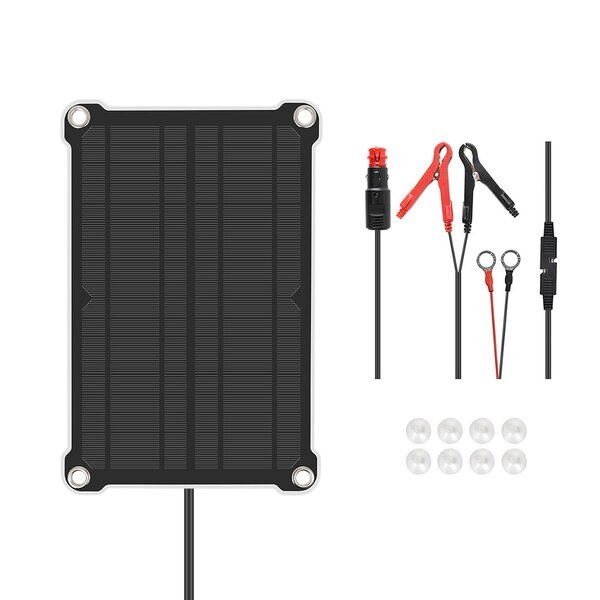
Imagine harnessing the sun's endless energy to keep your batteries topped up, ready for anything. No more dead batteries when you need them most. No more expensive replacements. Just pure, clean solar power silently working for you.
We've all been there. That sinking feeling when you realize your car battery is flat, or your backup generator won't start. Maybe it's the boat battery that's failed you on a weekend trip, or the security camera battery that's left you vulnerable. Relying on traditional charging methods can be inconvenient, costly, and often, simply not sustainable. There has to be a better way.
This guide will walk you through the simple steps to use solar power to trickle charge any battery, from your car to your RV, your boat, or even your electronic devices. We'll cover the essential equipment, how to connect it all safely, and how to ensure your batteries stay healthy and ready to go, all while leveraging the power of the sun.
In essence, trickle charging with solar involves using a solar panel to slowly replenish a battery's charge, compensating for natural discharge. This method is ideal for maintaining rarely used batteries or those subjected to slow drains. Key components include a solar panel, a charge controller (often optional for very small panels), and the battery itself. Correct voltage matching and overcharge protection are crucial for success. Read on to discover how to make it work for you.
Choosing the Right Solar Panel for Trickle Charging
Selecting the correct solar panel is the foundation of an effective trickle charging system. Last summer, I decided to set up a solar trickle charger for my motorcycle battery, which always seemed to die over the winter months. I initially went with a cheap, unregulated panel, and quickly learned my lesson! After a few weeks, I noticed the battery was bulging. I'd overcharged it! Turns out, I needed a panel with a built-in charge controller or a separate one to prevent damage.
When choosing a panel, voltage matching is paramount. A 12V battery, for example, typically requires a solar panel with a slightly higher voltage output, around 15-18V, to overcome voltage drop in the wiring and ensure effective charging. Power output, measured in watts, determines the charging speed. For trickle charging, a small panel, typically between 5 and 20 watts, is sufficient. Consider the battery's amp-hour (Ah) rating – a larger battery will require a slightly larger panel, but the charging process will still be slow and gentle. Look for panels specifically designed for battery charging, as these often incorporate features like reverse polarity protection and short-circuit protection. The type of solar panel is also a factor. Monocrystalline panels are generally more efficient and perform better in low-light conditions, making them a good choice for trickle charging in variable weather. Poly-crystalline panels are typically cheaper but may have lower efficiency.
Understanding Charge Controllers
A charge controller is an electronic device placed between the solar panel and the battery to regulate the voltage and current flowing into the battery. Without a charge controller, the solar panel could overcharge the battery, leading to damage or even explosion. The charge controller prevents this by limiting the voltage and current to safe levels, ensuring the battery is properly charged without being overstressed. The technology behind charge controllers has evolved significantly over time. Early controllers were simple on/off switches, while modern controllers utilize sophisticated algorithms to optimize charging efficiency and extend battery life.
There are two main types of charge controllers: PWM (Pulse Width Modulation) and MPPT (Maximum Power Point Tracking). PWM controllers are less expensive and suitable for smaller systems, while MPPT controllers are more efficient and ideal for larger systems. MPPT controllers maximize the power output of the solar panel by continuously adjusting the voltage and current to find the point of maximum power. The choice between PWM and MPPT depends on the size of the solar panel, the type of battery, and the desired charging performance. For trickle charging applications with small solar panels, a PWM controller is often sufficient. A good charge controller not only protects the battery from overcharging but also protects it from reverse polarity and short circuits, further enhancing the safety and reliability of the solar trickle charging system.
The History and Myths of Solar Trickle Charging
The concept of solar trickle charging isn't new. Early iterations involved rudimentary solar cells directly connected to batteries, often with limited success due to overcharging issues. The development of reliable charge controllers was the key to making solar trickle charging a practical and safe solution. One common myth is that trickle charging is only necessary for lead-acid batteries. While lead-acid batteries benefit significantly from trickle charging due to their natural self-discharge rate, other battery types, such as lithium-ion and nickel-metal hydride, can also benefit from it, albeit to a lesser extent.
Another myth is that trickle charging is slow and inefficient. While it's true that trickle charging is a slow process, it's designed to maintain a battery's charge, not to fully recharge a depleted battery. In terms of efficiency, modern solar panels and charge controllers are highly efficient, making solar trickle charging a cost-effective and environmentally friendly way to keep batteries topped up. Throughout history, solar energy has been viewed with a mix of skepticism and fascination. In the early days of solar technology, the cost and complexity limited its widespread adoption. However, advancements in materials science and manufacturing have made solar panels more affordable and accessible, leading to a resurgence in interest in solar energy applications, including trickle charging.
Unveiling the Secrets of Effective Solar Trickle Charging
The real secret to successful solar trickle charging lies in understanding your battery's specific needs and matching the solar panel and charge controller accordingly. Over-sizing the solar panel can lead to overcharging, even with a charge controller, while under-sizing it may not provide enough current to maintain the battery's charge. Monitoring the battery voltage is crucial to ensure it's being properly charged. A multimeter can be used to periodically check the battery voltage and ensure it's within the recommended range. Another secret is to position the solar panel in a location where it receives maximum sunlight throughout the day. Shading can significantly reduce the panel's output, affecting the charging performance.
Regularly cleaning the solar panel is also important to maintain its efficiency. Dust, dirt, and debris can accumulate on the panel's surface, reducing its ability to absorb sunlight. A simple wipe with a damp cloth is usually sufficient to keep the panel clean. The hidden advantage of solar trickle charging is that it can significantly extend the lifespan of your batteries. By keeping the battery topped up, you prevent it from undergoing deep discharge cycles, which can damage the battery's internal structure. This can save you money in the long run by reducing the frequency of battery replacements. Many modern batteries also incorporate internal protection circuits to prevent overcharging and deep discharge, further enhancing their lifespan.
Recommendations for Solar Trickle Charging Setups
For a basic car battery trickle charger, a 5-10 watt solar panel with a PWM charge controller is often sufficient. Connect the charge controller to the battery terminals, ensuring proper polarity. Place the solar panel on the dashboard or in a location where it receives direct sunlight. For RV or boat batteries, which are typically larger, a 10-20 watt panel may be necessary. Consider mounting the solar panel on the roof or deck for optimal sun exposure. When choosing a charge controller, select one with features such as temperature compensation, which adjusts the charging voltage based on the battery's temperature. This helps to prevent overcharging in hot weather and undercharging in cold weather.
For lithium-ion batteries, it's crucial to use a charge controller specifically designed for lithium-ion batteries, as they have different charging requirements than lead-acid batteries. Avoid using a trickle charger on a completely discharged lithium-ion battery, as it may not be able to recover. Instead, use a proper lithium-ion battery charger to bring the battery back to a safe voltage level before using the trickle charger for maintenance. Always consult the battery manufacturer's specifications for the recommended charging voltage and current. Remember that safety is paramount when working with electricity. Always disconnect the battery before making any connections to the solar panel or charge controller. Wear safety glasses and gloves to protect yourself from potential hazards. Take your time and double-check your connections to ensure everything is properly wired.
Safety First: Essential Precautions
Working with electricity always carries inherent risks, and solar trickle charging is no exception. Before you begin, make sure you understand the basic safety precautions. First and foremost, disconnect the battery from the vehicle or device before connecting or disconnecting any wires. This prevents accidental short circuits and potential damage to the battery or charging system. Always wear safety glasses to protect your eyes from potential sparks or battery acid splashes. Gloves can also provide an extra layer of protection against electrical shock.
Check that the solar panel and charge controller are properly grounded to prevent electrical hazards. A properly grounded system will dissipate any stray currents, reducing the risk of shock. Avoid working on the system in wet or damp conditions, as water can conduct electricity and increase the risk of electric shock. If you're unsure about any aspect of the setup, consult a qualified electrician. They can provide expert guidance and ensure the system is installed safely and correctly. It's better to be safe than sorry when dealing with electricity. Regularly inspect the wiring for any signs of damage, such as frayed insulation or loose connections. Replace any damaged wiring immediately to prevent potential hazards. Store the solar panel and charge controller in a dry and secure location when not in use to protect them from damage and prevent accidents.
Advanced Tips for Optimizing Your Solar Trickle Charger
To maximize the performance of your solar trickle charger, consider using a blocking diode between the solar panel and the battery. A blocking diode prevents the battery from discharging back through the solar panel at night or during periods of low sunlight. This helps to maintain the battery's charge and prevent unnecessary drain. Experiment with different panel angles to optimize sunlight capture. The optimal angle will vary depending on your location and the time of year. A simple tilt meter can help you determine the best angle for your panel.
Monitor the battery voltage regularly to ensure it's being properly charged. A battery monitor with an LCD display can provide real-time voltage readings and alert you to any potential problems. Consider using a smart charge controller that can automatically adjust the charging parameters based on the battery's state of charge. These controllers can significantly improve charging efficiency and extend battery life. If you live in an area with limited sunlight, consider using a larger solar panel or supplementing the solar charger with a traditional battery charger during periods of prolonged overcast weather. This will ensure your battery stays adequately charged even when the sun isn't shining. Remember that patience is key with trickle charging. It's a slow process, but it's a reliable way to maintain your battery's charge and extend its lifespan. Don't expect to fully recharge a depleted battery with a trickle charger – it's designed for maintenance, not rapid charging.
Understanding Battery Sulfation
Battery sulfation is a common problem that can reduce the capacity and lifespan of lead-acid batteries. It occurs when lead sulfate crystals form on the battery plates, reducing the surface area available for chemical reactions. Trickle charging can help to prevent sulfation by keeping the battery fully charged, which minimizes the formation of lead sulfate crystals. Some charge controllers also include a desulfation mode that uses high-voltage pulses to break down existing lead sulfate crystals. This can help to restore some of the battery's lost capacity.
Regularly check your battery for signs of sulfation, such as reduced voltage or a decreased ability to hold a charge. If you suspect sulfation, consider using a desulfation charger to attempt to restore the battery. Prevention is always the best approach, so make sure to keep your battery fully charged and avoid allowing it to sit in a discharged state for extended periods. Battery sulfation is more common in batteries that are frequently deep-cycled or stored in a discharged state. Deep-cycling refers to repeatedly discharging the battery to a low level and then recharging it. While some batteries are designed for deep-cycling, most lead-acid batteries will suffer from increased sulfation if they are frequently deep-cycled. Proper maintenance and charging practices can significantly reduce the risk of battery sulfation and extend the lifespan of your batteries.
Fun Facts About Solar Trickle Charging
Did you know that the first solar-powered car was built in 1955? It was a small, experimental vehicle that demonstrated the potential of solar energy for transportation. Solar trickle charging is used in many unexpected applications, such as maintaining the batteries in emergency call boxes and remote monitoring stations. The world's largest solar power plant is located in the Mojave Desert in California. It covers an area of over 5 square miles and generates enough electricity to power hundreds of thousands of homes. Solar panels are becoming increasingly flexible and lightweight, making them easier to integrate into various devices and applications.
Scientists are constantly developing new materials and technologies to improve the efficiency and affordability of solar panels. Some solar panels can even generate electricity from ambient light, although the output is much lower than that of direct sunlight. Solar energy is a clean and renewable energy source that can help to reduce our reliance on fossil fuels. Solar trickle charging is a simple and effective way to harness the power of the sun to maintain your batteries and reduce your carbon footprint. The amount of solar energy that reaches the Earth in one hour is more than the entire world's energy consumption in one year. Solar power is a truly abundant and sustainable energy source. Even on cloudy days, solar panels can still generate electricity, although the output will be reduced compared to sunny days. The cost of solar panels has decreased dramatically over the past decade, making solar energy more accessible to homeowners and businesses.
Step-by-Step Guide: Setting Up Your Solar Trickle Charger
Follow these steps to set up your solar trickle charger: First, gather your equipment: a solar panel, a charge controller (if needed), wiring, and connectors. Choose a solar panel with the appropriate voltage and wattage for your battery. If your panel outputs more than a couple of watts, you'll definitely need a charge controller. Next, connect the solar panel to the charge controller. Most charge controllers have clearly marked terminals for the solar panel input. Ensure you connect the positive and negative wires correctly.
Then, connect the charge controller to the battery. Again, pay close attention to the polarity. Connect the positive wire from the charge controller to the positive terminal of the battery, and the negative wire to the negative terminal. Secure all connections to prevent them from coming loose. Place the solar panel in a location where it will receive direct sunlight throughout the day. Monitor the battery voltage to ensure it's being properly charged. If the voltage is too high, adjust the settings on the charge controller. If the voltage is too low, consider using a larger solar panel. Periodically clean the solar panel to remove any dust or debris. This will help to maintain its efficiency. Inspect the wiring regularly for any signs of damage. Replace any damaged wiring immediately. Always follow the safety precautions outlined earlier in this article. Disconnect the battery before making any connections or adjustments. Wear safety glasses and gloves to protect yourself from potential hazards. Congratulations, your solar trickle charger is now set up and ready to go!
What If My Solar Trickle Charger Isn't Working?
If your solar trickle charger isn't working, the first step is to troubleshoot the system to identify the problem. Start by checking the solar panel's output voltage using a multimeter. If the panel is not producing any voltage, it may be damaged or shaded. Ensure the panel is clean and receiving direct sunlight. Next, check the charge controller to see if it's functioning properly. Most charge controllers have indicator lights or displays that show the charging status. If the charge controller is not working, it may need to be replaced.
Inspect the wiring for any loose connections or damaged wires. Loose connections can prevent the flow of electricity, while damaged wires can cause short circuits. Check the battery voltage to see if it's within the recommended range. If the battery is completely discharged, it may not be able to accept a charge from the solar trickle charger. You may need to use a traditional battery charger to bring the battery back to a safe voltage level. If you're using a blocking diode, make sure it's installed correctly and functioning properly. A faulty blocking diode can prevent the battery from being charged. If you've checked all of these components and the system is still not working, consult a qualified electrician for further assistance. They can diagnose the problem and recommend the appropriate solution. Remember that solar trickle charging is a slow process, so don't expect to see immediate results. It may take several days or even weeks to fully charge a depleted battery using a solar trickle charger.
Top 5 Benefits of Using Solar to Trickle Charge Any Battery
Here are the top 5 benefits of using solar to trickle charge any battery: 1. Extends Battery Lifespan: By keeping the battery fully charged, you prevent sulfation and deep discharge, which can damage the battery and shorten its lifespan.
2. Cost-Effective: Solar energy is free, so you can save money on electricity bills and battery replacements.
3. Environmentally Friendly: Solar power is a clean and renewable energy source that reduces your carbon footprint.
4. Convenient: Solar trickle chargers are portable and easy to set up, making them ideal for maintaining batteries in remote locations.
5. Versatile: Solar trickle chargers can be used to maintain a variety of batteries, including car batteries, RV batteries, boat batteries, and electronic device batteries.
These benefits make solar trickle charging a smart and sustainable way to keep your batteries topped up and ready to go. By harnessing the power of the sun, you can save money, protect the environment, and extend the lifespan of your batteries. Solar trickle charging is a win-win situation for both you and the planet. In addition to these benefits, solar trickle charging can also provide peace of mind. Knowing that your batteries are being maintained by a reliable and sustainable energy source can give you confidence in their performance and reliability. Whether you're a weekend warrior, a seasoned traveler, or simply someone who wants to keep their batteries in top condition, solar trickle charging is a valuable tool to have in your arsenal. So, embrace the power of the sun and start trickle charging your batteries today!
Question and Answer
Here are some common questions about solar trickle charging:
Q: Will a solar trickle charger overcharge my battery?
A: If you're using a charge controller, overcharging is unlikely. The charge controller regulates the voltage and current flowing into the battery, preventing it from being overcharged. However, it's essential to choose a charge controller that's compatible with your battery type and voltage.
Q: Can I use a solar trickle charger on a lithium-ion battery?
A: Yes, but you'll need a charge controller specifically designed for lithium-ion batteries. Lithium-ion batteries have different charging requirements than lead-acid batteries, and using the wrong type of charger can damage the battery.
Q: How long does it take to trickle charge a battery with solar?
A: The charging time depends on the size of the solar panel, the battery's capacity, and the amount of sunlight available. Trickle charging is a slow process, so it may take several days or even weeks to fully charge a depleted battery. However, it's designed for maintenance, not rapid charging.
Q: Can I leave a solar trickle charger connected to my battery all the time?
A: Yes, in fact, that's the intended use. Solar trickle chargers are designed to maintain the battery's charge indefinitely. The charge controller will automatically regulate the voltage and current to prevent overcharging.
Conclusion of How to Use Solar to Trickle Charge Any Battery
Solar trickle charging offers a sustainable and effective way to maintain your batteries, extending their lifespan and reducing your environmental impact. By understanding the basic principles, choosing the right equipment, and following the safety precautions, you can harness the sun's energy to keep your batteries topped up and ready to go. Whether it's your car, boat, RV, or electronic devices, solar trickle charging provides a reliable and cost-effective solution for battery maintenance. So, embrace the power of the sun and start trickle charging your batteries today!